
Home/Solar Panel Cleaning
Serving the High Desert this weekSolar Panel Cleaning in the High Desert
Exceptional sun. Exceptional dust. We handle the second part.
Purified deionized water, soft brushes and no residue, and anything visible we notice pointed out on every visit. Serving Victorville, Hesperia, Apple Valley, Adelanto, Oak Hills and Phelan.
★★★★★ 4.9 on Google · Free inspection · Satisfaction guaranteed
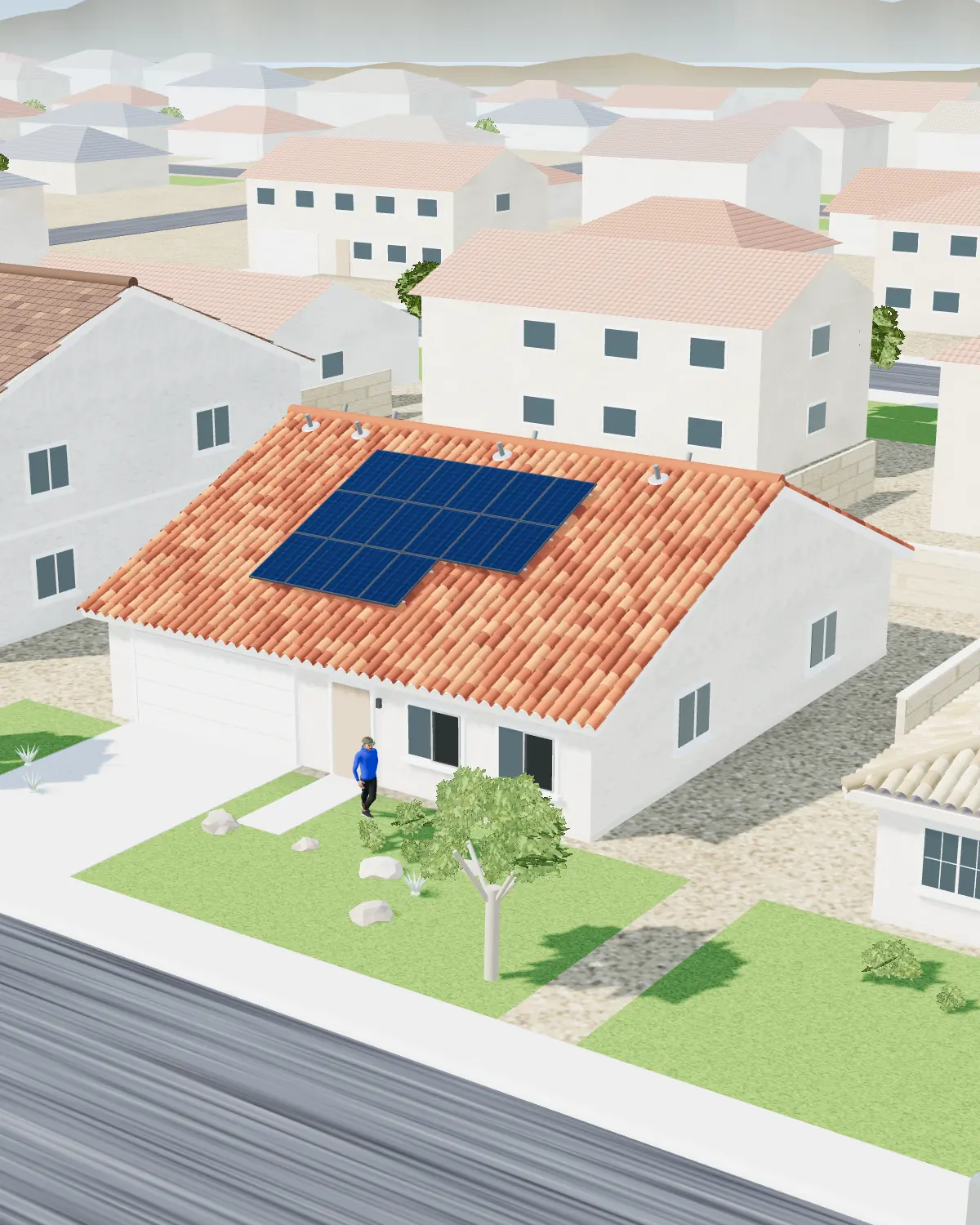
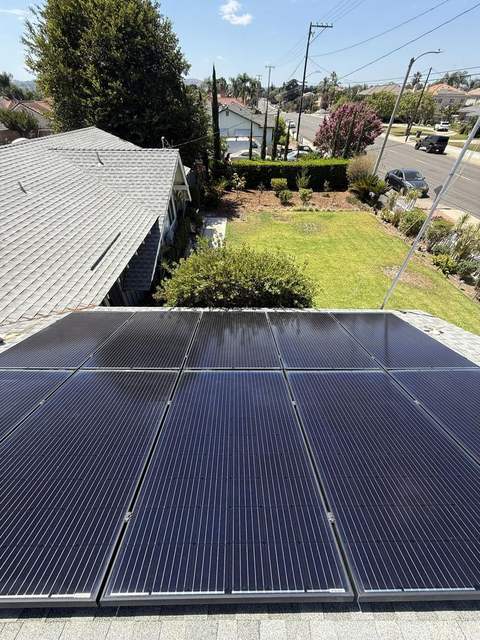
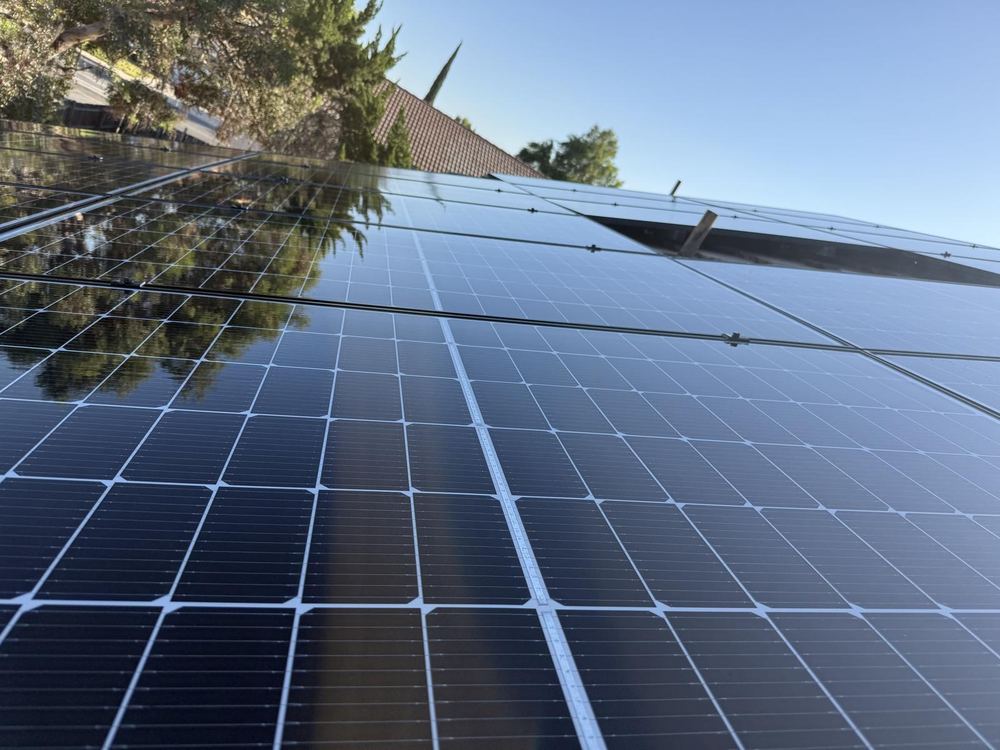
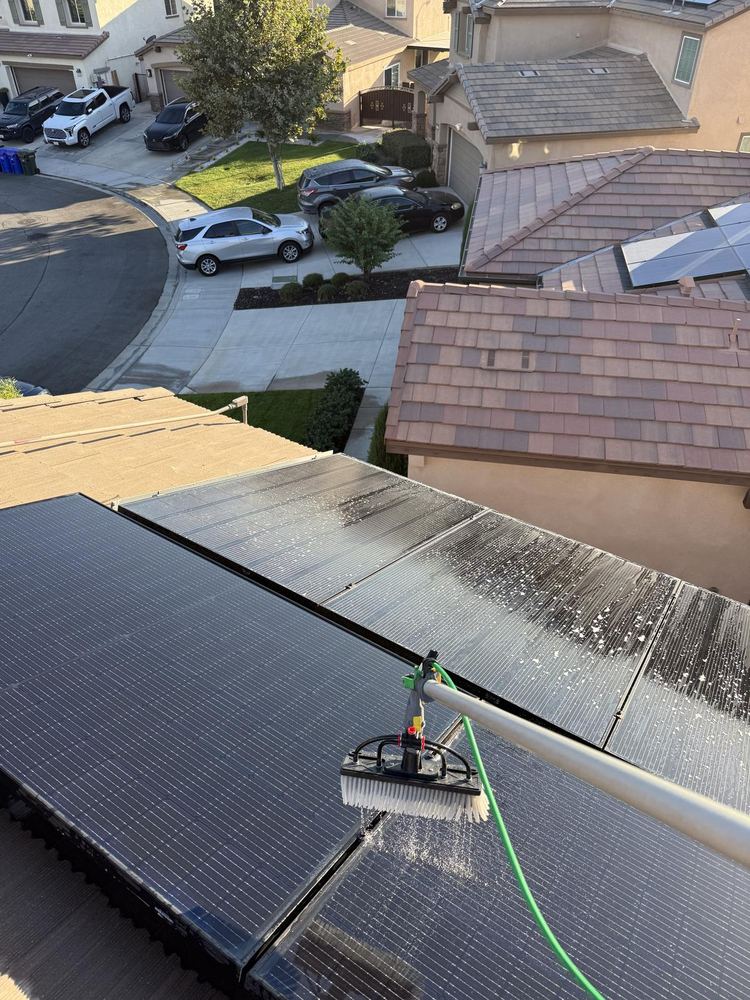
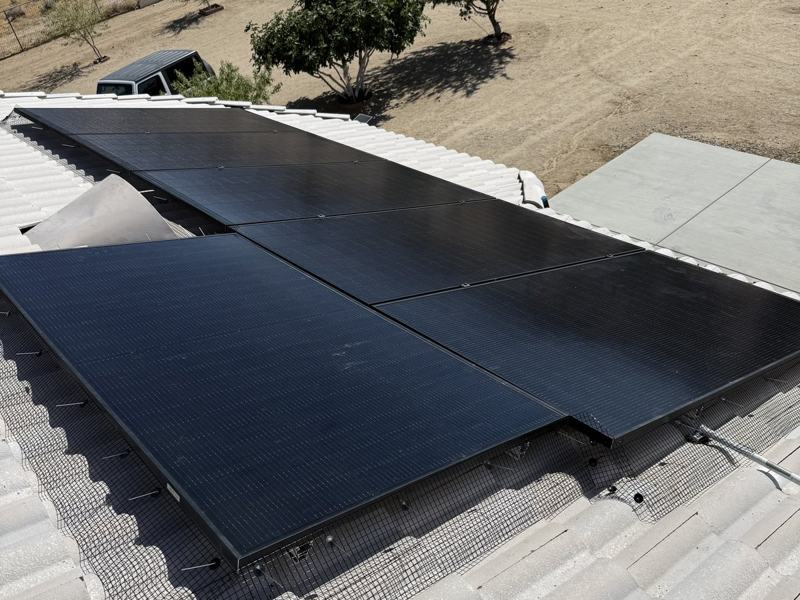
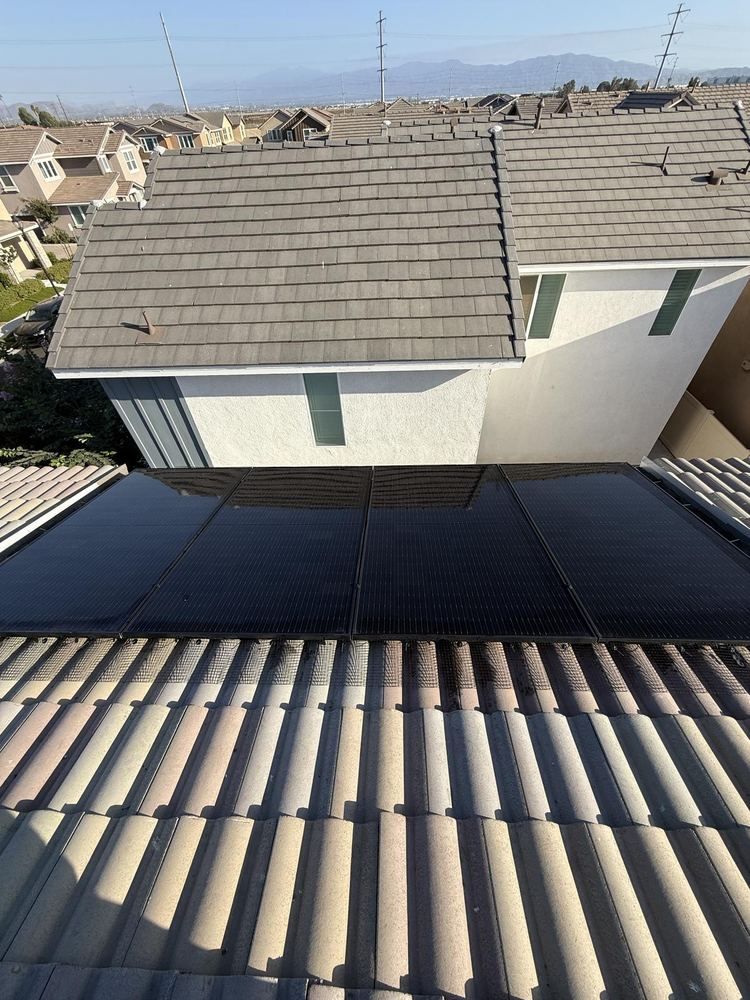
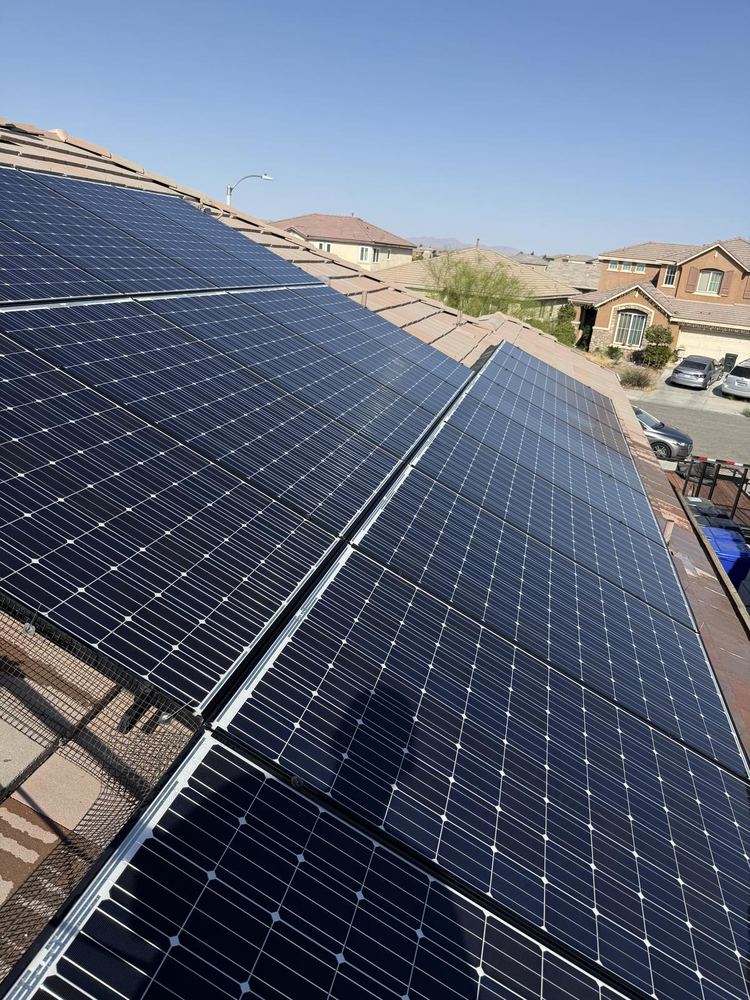
A model home finished the way we leave yours. Tap it to try your own.
Interested in seeing solar panel cleaning we've done?
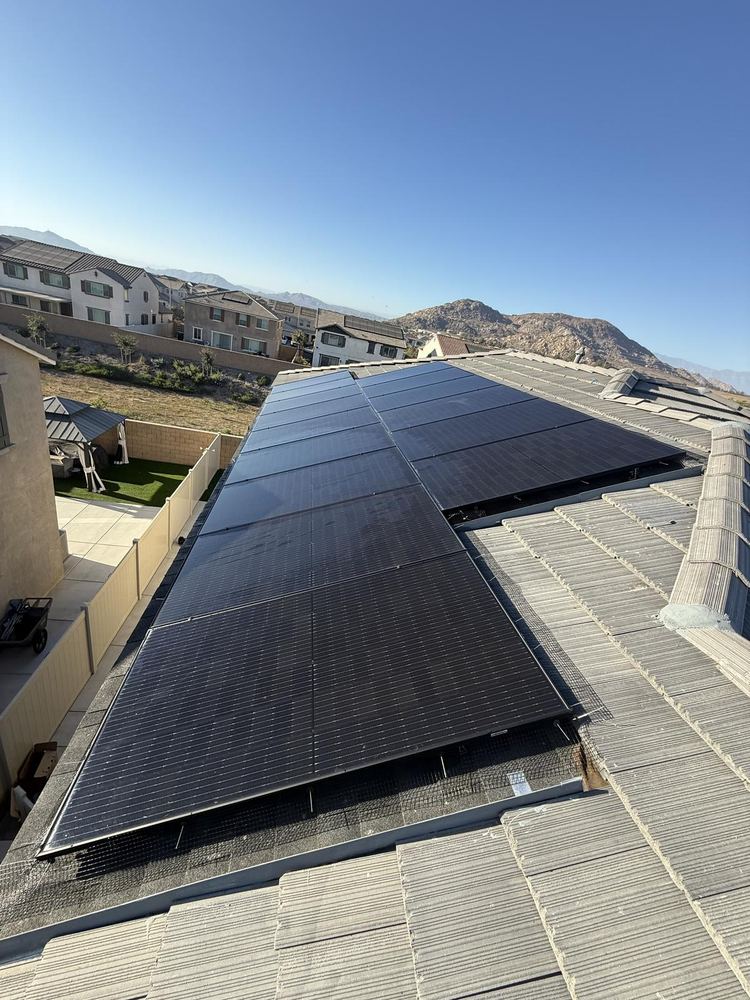
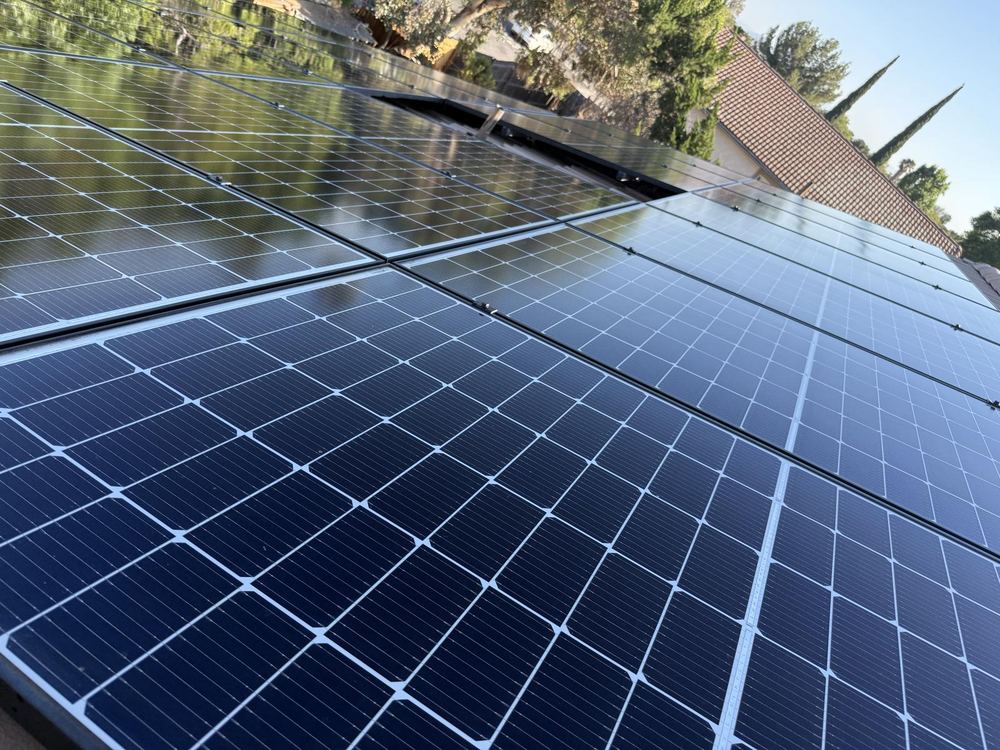
Photos from our own jobs, with the town on each one we know. Tap one to see it bigger.
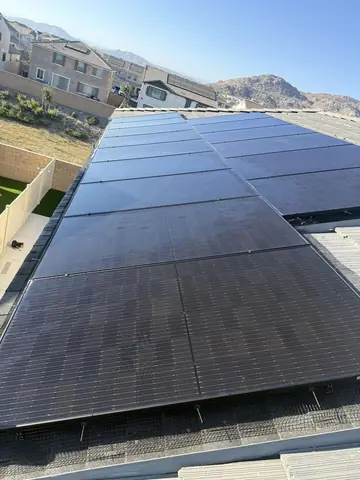 Victorville · Full array, two story
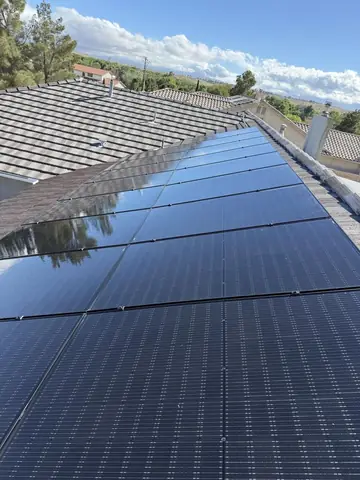 Apple Valley · Clean array, open sky
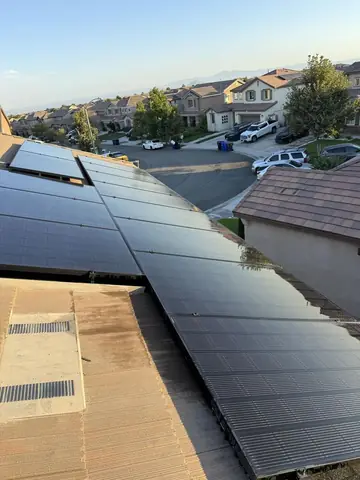 Hesperia · Array over the neighborhood
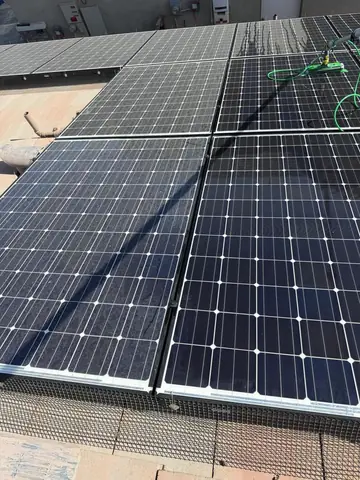 Phelan · Rinsed with purified water
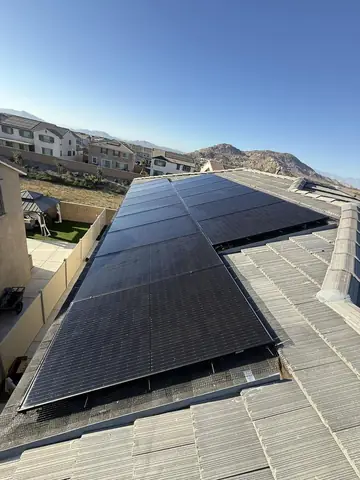 Victorville · Array with the hills behind
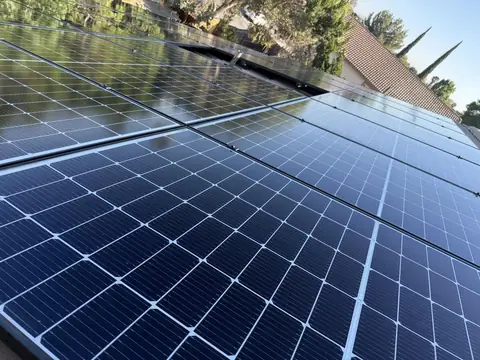 Adelanto · Close up, clean cells
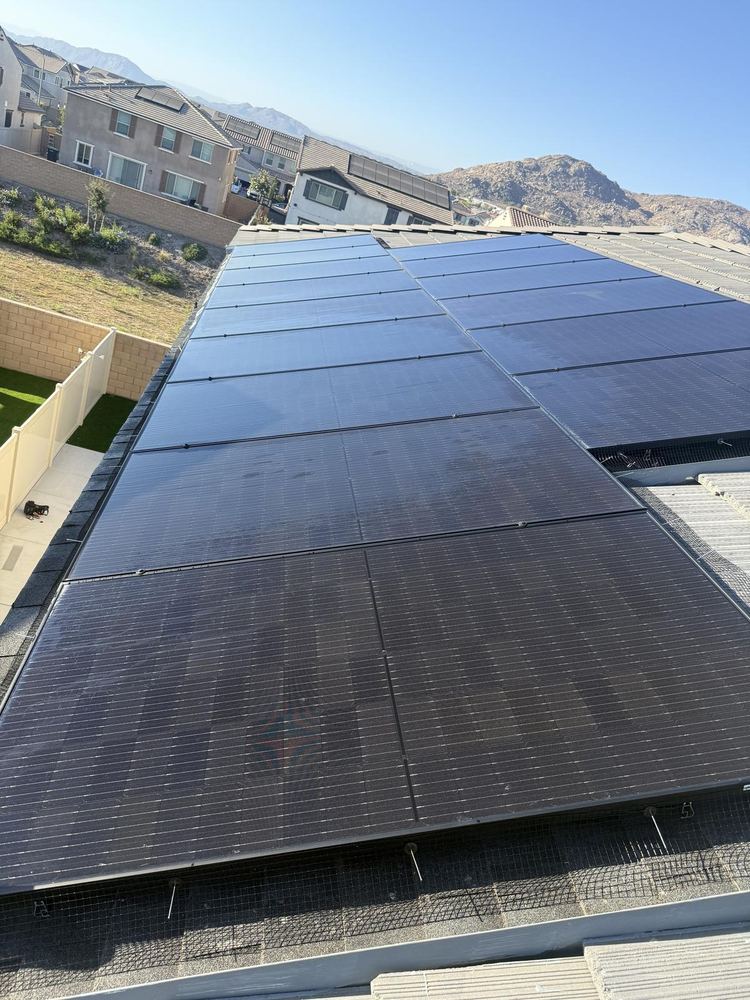
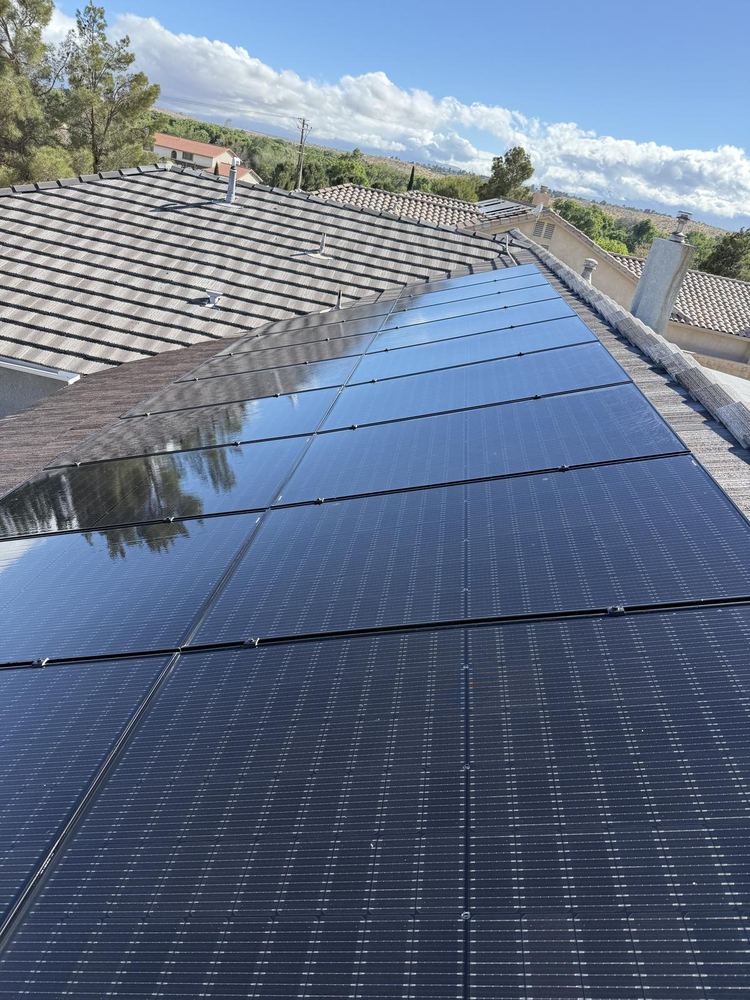
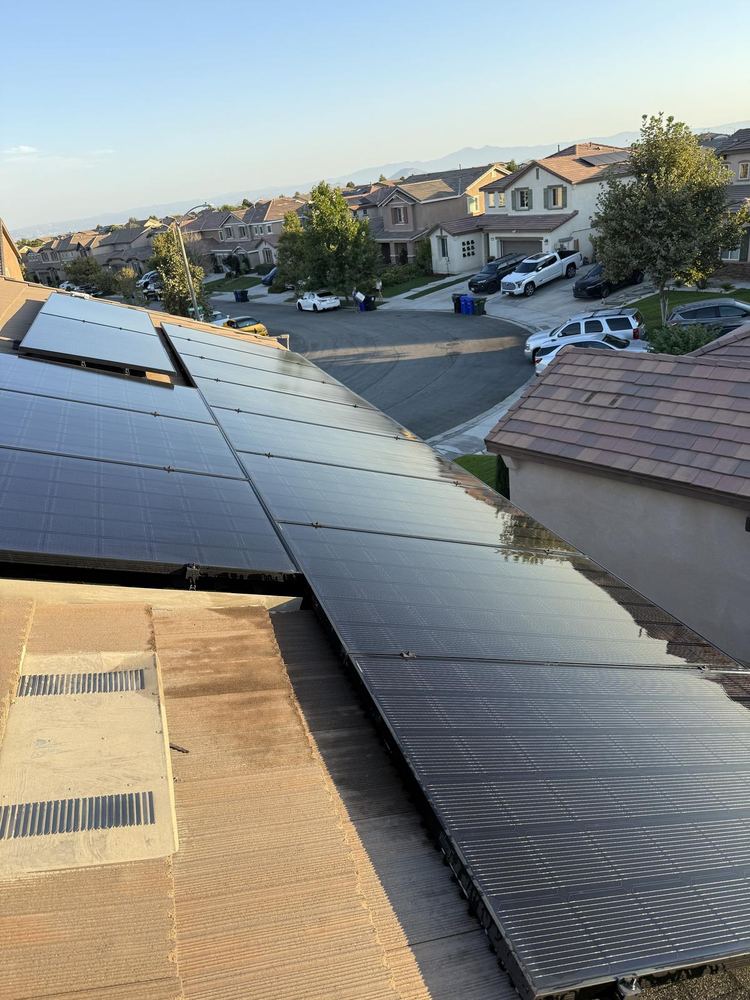
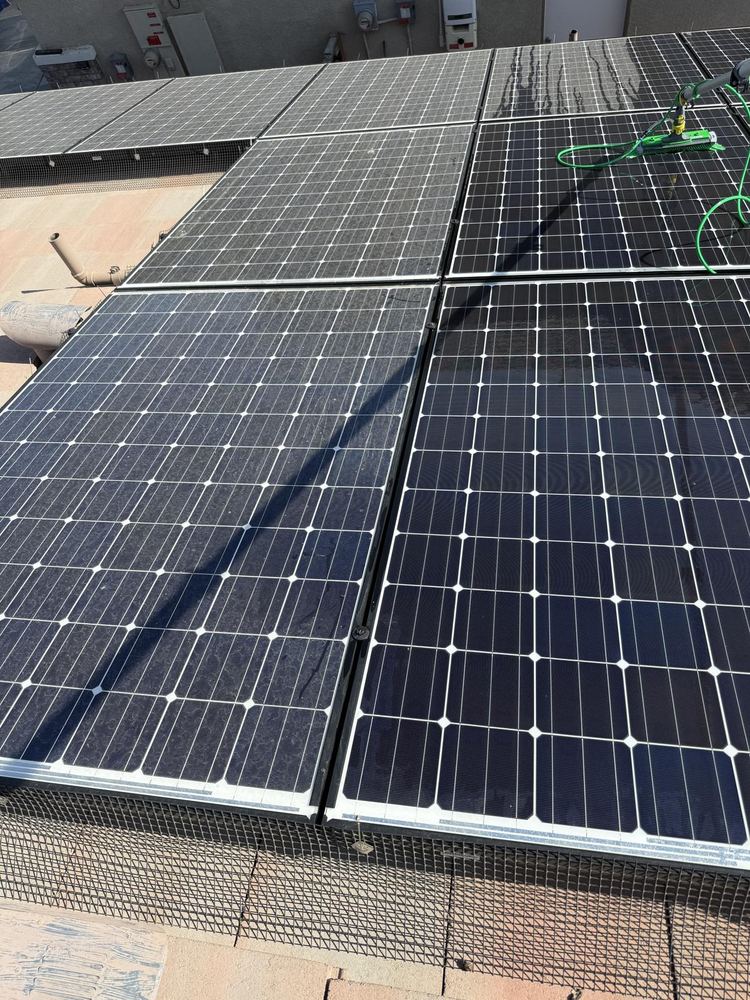
Like what you see? Build your project below.
- 1Select your service
- 2Tell us about your home
- 3See your price
- 4Request a day
- 5Tony confirms by text
Select your service
Pick one or more. These are real prices, and Tony confirms in writing before any work starts.
Window cleaning $149 / $249
The base price covers 10 to 12 windows on a single story or 18 to 20 on a two story. Past that it's more glass, more screens and more tracks to do right, so it's a flat $39 more, single or two story.
One flat $49 for every window inside the house, with the tracks vacuumed and wiped dry. Most companies charge by the window for inside work. We're already there with the water and the tools, so doing the inside costs you far less than a separate visit.
Big custom homes vary a lot. Extra panes and screens are counted on site or from a satellite view, and inside and out can run $499 to $599 on some homes. You get the exact price from Tony before anything starts, so there are no surprises on the day.
What you get. More light in every room, a clear view, screens and tracks that slide the way they should, and glass that lasts because hard water never gets the chance to etch it.
Why now. Dust and sprinkler overspray build up fast up here. A cleaning every 3 to 6 months keeps hard water from setting into the glass.
Pigeon proofing $450+
Cheaper crews screw or bolt mesh into the panel frame or the roof. Every hole is a spot for water and a reason for a solar company to deny a warranty claim. Our clips grip the inner lip of the frame, hold in High Desert wind, and come off clean if a panel ever needs service.
Pick one so the price is right. A two story home adds $125.
$450 covers up to 12 panels. Each panel past that means more mesh, more clips, more cleanout under the array and one more panel to wash, so it's $50 a panel. Set your count in the panel box below.
2 to 3 spinners come free. A spinner's flash covers the side of the roof it faces, and a ridge blocks it, so bigger roofs or roofs with birds on both sides usually need one more. Tap "See what the spinners do" to watch it in 3D.
What you get. Birds out from under the panels, nests and droppings hauled away and the area sanitized so the smell goes too, panels washed, mesh clipped to the frame so nothing voids your panel warranty, and a lifetime workmanship warranty on the install, in writing.
Why now. Nests only get bigger. The longer the birds stay, the more there is to clean out, and the more droppings sit on the roof and the wiring.
Solar panel cleaning $7 a panel
What you get. Clean panels, and if we notice anything visible while we're up there, like a cracked panel or birds moving in, we point it out. $7 a panel, dried spot free.
Why now. There's almost no rain up here to rinse panels, so the dust stacks up and your output drops a little more every month.
Window screen repair per screen
The same class of mesh your builder used, installed and tensioned right. Clearest view and good airflow. Fine for shaded windows.
Heavy vinyl coated polyester, UV and weather resistant, made for outdoor sun. Holds up to desert sun, wind and pets better than standard fiberglass.
When a frame is bent, loose or missing corners, new mesh won't sit tight in it. We rebuild the frame to fit your window with new corners and clips, so the screen snaps in and stays. $10 a screen, with either mesh.
What you get. Air in and bugs out, a clearer view from inside, screens that pop in and out easily, and a 2 year warranty on the mesh.
Why now. UV runs about nine months a year up here. Builder mesh goes brittle, then the wind finishes it off.
Hard water removal from $12 a pane
Hard water is minerals bonded to the glass, so each pane is treated and polished by hand, pane by pane. We test one pane free first so you see the result before you decide on the rest.
Roof soft wash from $599
New construction clean from $249
Gutter cleanout quoted on site
Pressure washing quoted on site
Trash bin cleaning quoted on site
Decal and vinyl removal from $129
Graffiti removal from $129
Storefronts and buildings $149 inside and out
When your promos change, we take the old sticker off clean and put the new one up straight while we're there, $10 a sticker. You bring the stickers, we handle the glass.
Specialty work is a starting price. Tony confirms it in writing before he starts.
- Free inspection
- No trip fee
- Payment link or Zelle
Pick a day
Book onlineBook on our website and save an extra 10%. Pick your day below.
Tony confirms by text, and if your day fills up he'll offer the closest one.
Desert dust and hard water come back, the same as a lawn grows back. On a plan Tony texts you before each visit, so you never have to remember.
The PDF has the written terms and warranties for your quote, so you can read them before you book.
Your price is set. It's right above, and it doesn't change on the day.
Tony confirms by text. He brings everything, works around your day, and you don't lift a finger.
Nothing to pay now. Pay by a QuickBooks payment link or Zelle once the work is done and you've looked it over.
Send it your way
Nothing to pay now. Fill in your details once, then text, email or send the form. Everything Tony needs is already written for you.
How to tell it's time
- Windows. Spots when the sun hits the glass, screens that look gray, or more than 6 months since the last clean.
- Solar panels. No wash in the last 6 months, or a sunny day in your solar app reading lower than it used to.
- Pigeons. Birds on the roof, droppings on the tile or driveway, cooing under the panels, or a sharp ammonia smell in the heat. They don't leave on their own.
- Screens. Tears, holes, mesh that bows out of the frame or crumbles when you press it.
Do you come to me?
Type your ZIP. You'll know in one second.
See it on your home in 3D
Pick your home. Watch the job get done.
Older home, manufactured home or a big custom home? Pick the closest style and see the job on a home like yours.
How we clean your panels
- Purified deionized water and a soft brush on a water fed pole.
- Nobody walks on your panels. The pole reaches every row.
- Dries spot free, with no mineral film left blocking light.
- Visible issues pointed out. A twenty panel home is usually $140 to $160.
The desert gives you sun, then covers it in dust
There's a reason solar panel cleaning matters more in the High Desert than at the coast. Wind pushes fine grit off open land and unpaved roads, it settles on your glass, and unlike wetter parts of the state, we get almost no rain to wash it off again.
What makes it easy to ignore is that a dirty panel looks fine from the ground. Nothing breaks, no light comes on, no alarm goes off. Output just drifts downward month over month, and unless you're watching your production data, you won't notice. Most homeowners we clean for have never opened their inverter app.
How much output dust actually costs is worth being honest about. Independent research consistently finds soiling reduces production, and the size of the loss depends on how dirty the panels are and how long since the last rain. Low single-digit percentages are normal for lightly soiled panels; heavy buildup, bird droppings or a full season of desert dust push it substantially higher. We won't quote a specific number for your roof, because we'd be guessing. Check your own production history after a cleaning and the panels will tell you themselves.
One more thing we find constantly: about half the arrays we open up in this region have birds living under them, and that's usually news to the owner. It's why every cleaning includes an inspection, and why solar cleaning and pigeon proofing are so often the same visit.
The method matters as much as the visit
Panel glass has an anti-reflective coating. The wrong approach damages it permanently.
Purified, deionized water
Tap water out here is hard. It dries into mineral spots that block light, which defeats the point. Our water is filtered and deionized so it dries with nothing left behind. No soap, no detergent, no residue for the next round of dust to stick to.
Soft brushes, water-fed poles
Never abrasive pads, never harsh chemicals, never a pressure washer. The coating on your glass stays intact and the warranty stays safe.
Full inspection, every visit
Glass, frames, mounting hardware and what's going on underneath the array. If something looks wrong we photograph it and tell you, including the birds that half these roofs are hiding.
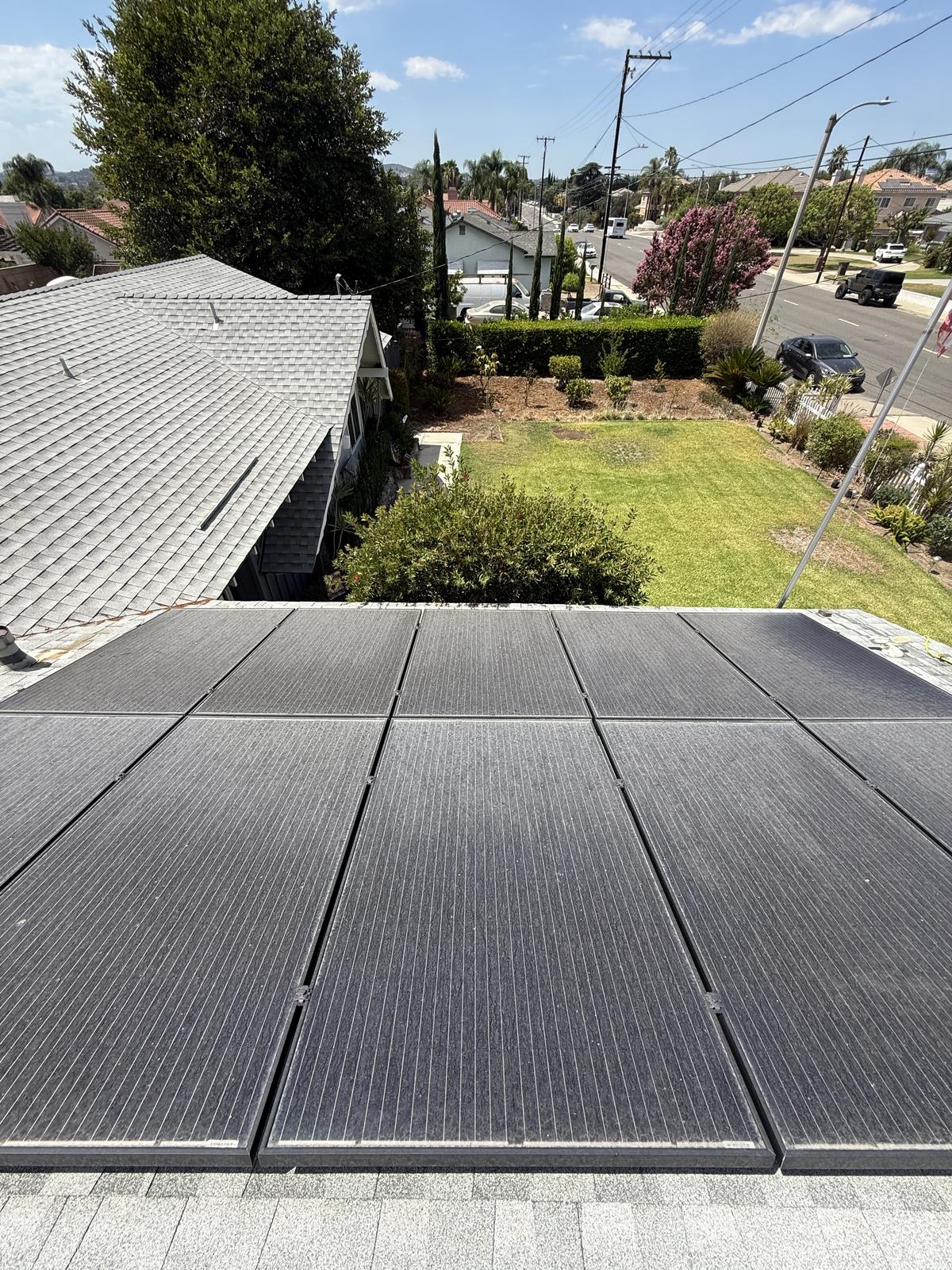
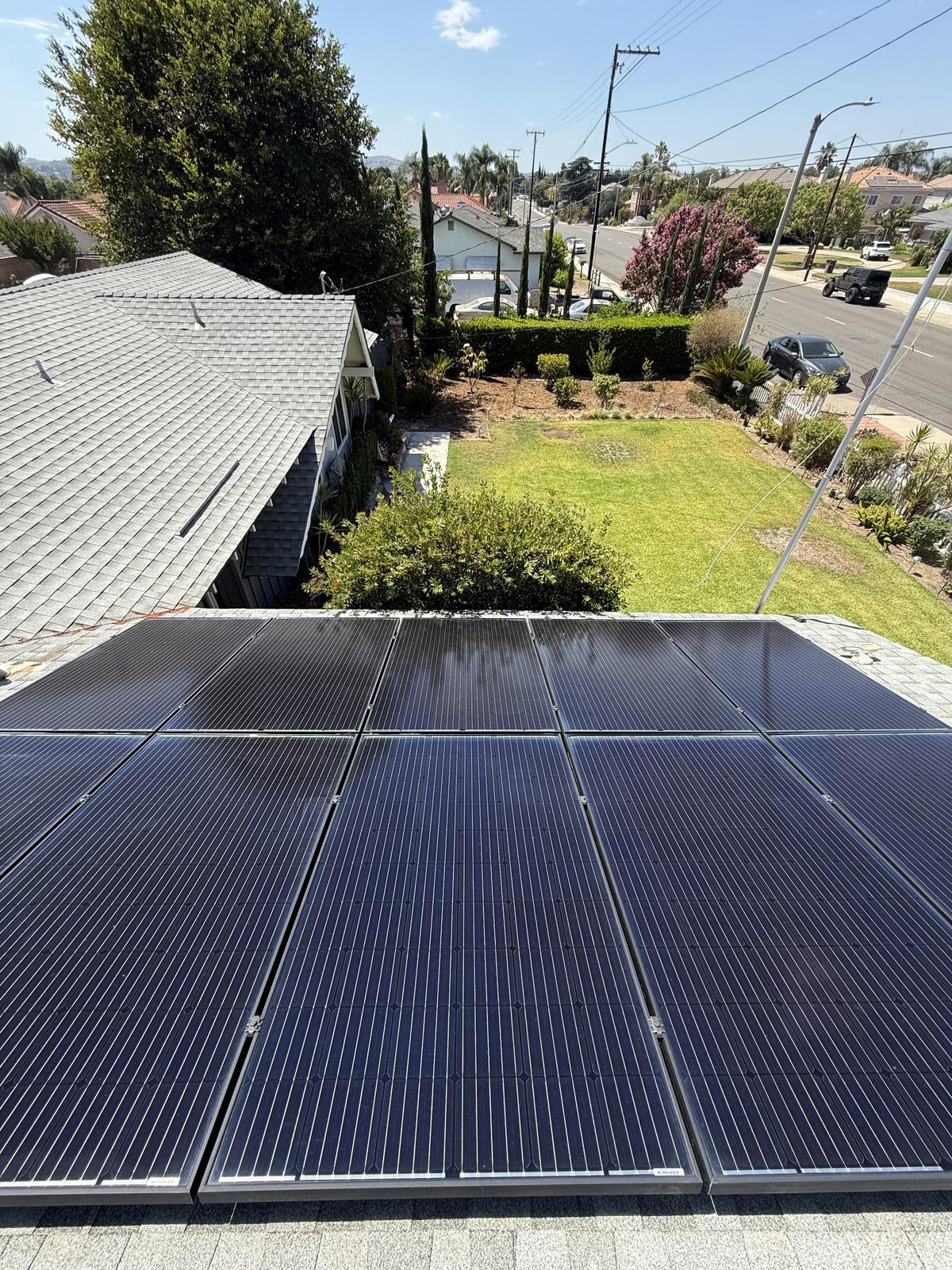
How often should panels be cleaned?
- 🗓️ Twice a year for most High Desert homes Spring after the windy season, fall before the shorter days do the work. That rhythm keeps the film from building up without paying for visits you do not need.
- 🛻 More often near dust sources Unpaved roads, active construction, agricultural land, or birds on the roof. Any of those and quarterly starts paying for itself.
- 🏡 Once a year for sheltered properties Newer surrounding development and paved streets slow the buildup. The first clean after a long gap always takes longest.
What it costs
Free quote · standard High Desert rates run $10 to $12 a panel
- Purified deionized water, dries spot-free
- Soft brush and water-fed pole, coating-safe
- Full array and mounting inspection
- Photo report if we find anything wrong
- Bundle rate when combined with pigeon proofing
If we're already on your roof for pigeon proofing, panel cleaning is bundled at a lower rate, because the setup, drive and ladder work are already covered. That bundle is why most of our pigeon proofing customers get their panels washed as part of the job. Ask about our maintenance plan: semi-annual cleaning at a reduced rate, plus a free annual inspection of your pigeon barrier so the warranty stays documented.
Solar Panel Cleaning in your city
Every city we cover has its own conditions. These pages go into what changes where.
Solar Panel Cleaning in Hesperia
What is different about solar panel cleaning on Hesperia homes, and what it costs there.
Solar Panel Cleaning in Victorville
What is different about solar panel cleaning on Victorville homes, and what it costs there.
Solar Panel Cleaning in Apple Valley
What is different about solar panel cleaning on Apple Valley homes, and what it costs there.
Solar Panel Cleaning in Oak Hills
What is different about solar panel cleaning on Oak Hills homes, and what it costs there.
Solar Panel Cleaning in Adelanto
What is different about solar panel cleaning on Adelanto homes, and what it costs there.
Solar Panel Cleaning in Phelan
What is different about solar panel cleaning on Phelan homes, and what it costs there.
Related pages
Solar Cleaning That Keeps Your Warranty
Purified water, a soft brush, and feet that never touch a panel. Read more
How Often to Clean Solar Panels Up Here
Every 3 months for most High Desert roofs. Read more
Solar Panel Cleaning in Fontana
$7 a panel, purified water and a soft brush, dried spot free. Read more
Solar cleaning questions
How much does solar panel cleaning cost?
Cleaning starts at $7 per panel. Standard rates in the High Desert run $10 to $12 a panel, so we sit below market for the same professional purified-water method. Already booking pigeon proofing? Panel cleaning bundles at a lower rate since we're on the roof anyway.
Will you damage my panels?
No. Soft brush, purified water, water-fed pole. No pressure washing, no abrasives, no chemicals. Panel glass has an anti-reflective coating and we treat it accordingly.
Can I just hose my solar panels off?
It moves dust around and leaves hard water spots that block light. Tap water out here is mineral heavy and it dries onto the glass. Our water is filtered and deionized so it dries with nothing left behind.
Should I clean my solar panels myself?
Roof work has real risk and panels are easy to damage. If you do, use soft materials, no pressure, and go up early in the morning when the glass is cool. Wet panels in full sun can crack from thermal shock.
How often should solar panels be cleaned in the High Desert?
Twice a year suits most High Desert homes: spring after the windy season, fall before the shorter days. More often near unpaved roads, construction, agricultural land, or if you have birds on the roof.
Do you clean ground mount arrays?
Yes, and they are usually quicker and cheaper since there is no roof access involved.
How do I know if my panels need cleaning?
Look at your production data over the last few months and compare to the same period last year. If output is drifting down without a good reason, that's your answer.
Pick your city
What we run into in each town, and photos of real jobs we have done there.
 Tony
Tony